The world, explained for Australia.

The World
Global trade networks have become more efficient but also more vulnerable. Understanding why helps explain shocks from pandemics to geopolitics.
By The Daily World · 4 July 2026

The World
From grazing pastures to supermarket shelves, dairy production depends on weather patterns, feed costs, and trade routes that span continents. When disruption hits one region, milk becomes expensive everywhere.
By The Daily World · 4 July 2026
The World
Container imbalances on opposite sides of the world cascade into price shocks and empty aisles everywhere. Here's why moving an empty box matters more than you'd think.
By The Daily World · 4 July 2026
The World
Cement is the world's most-produced material by mass. Understanding its supply chains, carbon footprint, and geopolitical reach reveals why your city's concrete future is decided in distant quarries and kilns across continents.
By The Daily World · 4 July 2026
The World
Oil reserve figures shape energy policy and investment worldwide. Here's why the world's estimates of underground fuel keep shifting, and what that means for Australian energy costs.
By The Daily World · 4 July 2026

The World
Australia mines a third of the world's bauxite but smelts almost none of it into aluminum. Understanding why reveals how raw materials alone don't build national wealth.
By The Daily World · 4 July 2026

The World
Countries borrow money just like households do. Understanding sovereign debt helps explain everything from interest rates to job growth.
By The Daily World · 3 July 2026
The World
From smartphones to strawberries, most things Australians buy travel thousands of kilometres before reaching a shelf. Understanding supply chains helps explain price swings, shortages, and why your favourite product suddenly costs more.
By The Daily World · 3 July 2026
The World
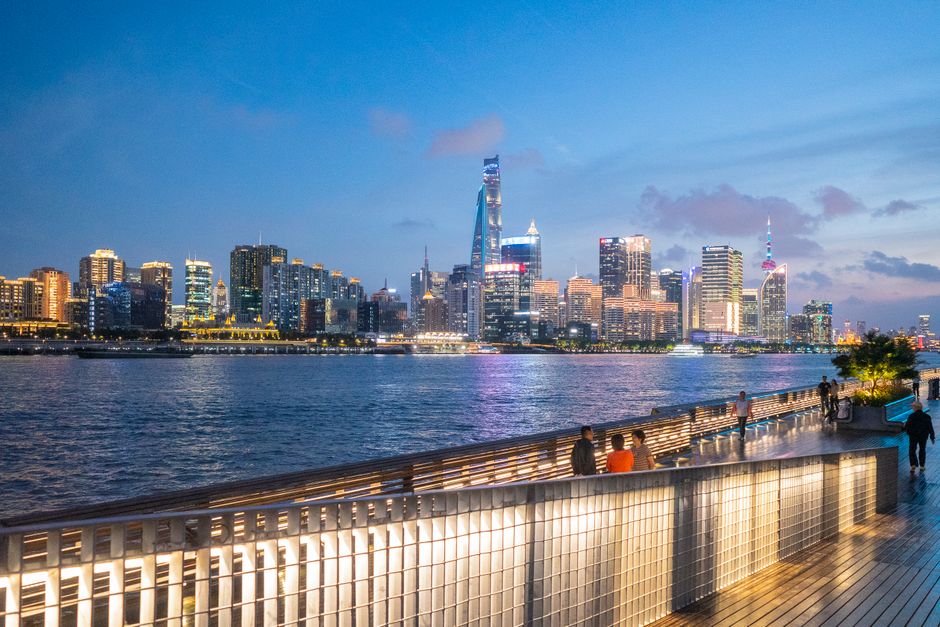
Rare earths power phones and defence systems. China dominates production despite Australia's vast ore reserves. Security and economy at stake.
By The Daily World · 3 July 2026

The World
Most of the world's solar panels start with polysilicon made in one region. Understanding this supply chain explains Australia's renewable energy costs and its geopolitical leverage.
By The Daily World · 3 July 2026

The World
The energy transition has made a short list of metals the most strategically contested resources on the planet, and Australia is sitting on a significant share of them.
By The Daily World · 3 July 2026
The World
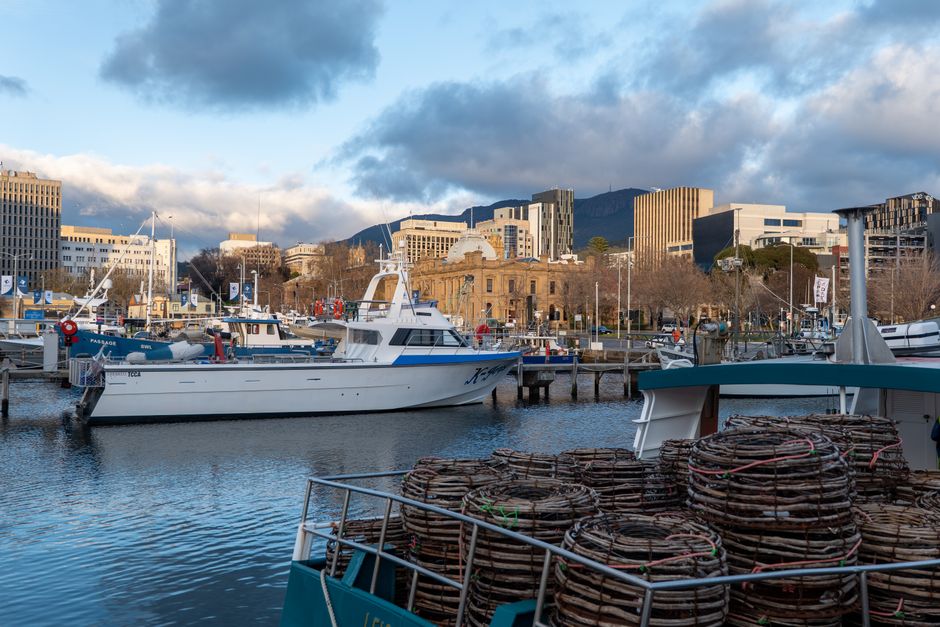
Fish meal from industrial catches feeds cattle and chickens worldwide. When global fishing fleets struggle, Australian farmers pay more to feed their herds.
By The Daily World · 3 July 2026

The World
Australia mines a quarter of the world's lithium but barely refines it. That processing bottleneck means lost jobs, lost revenue, and deepening dependence on overseas manufacturers who turn raw ore into the cells that power electric vehicles and renewable grids.
By The Daily World · 3 July 2026
The World
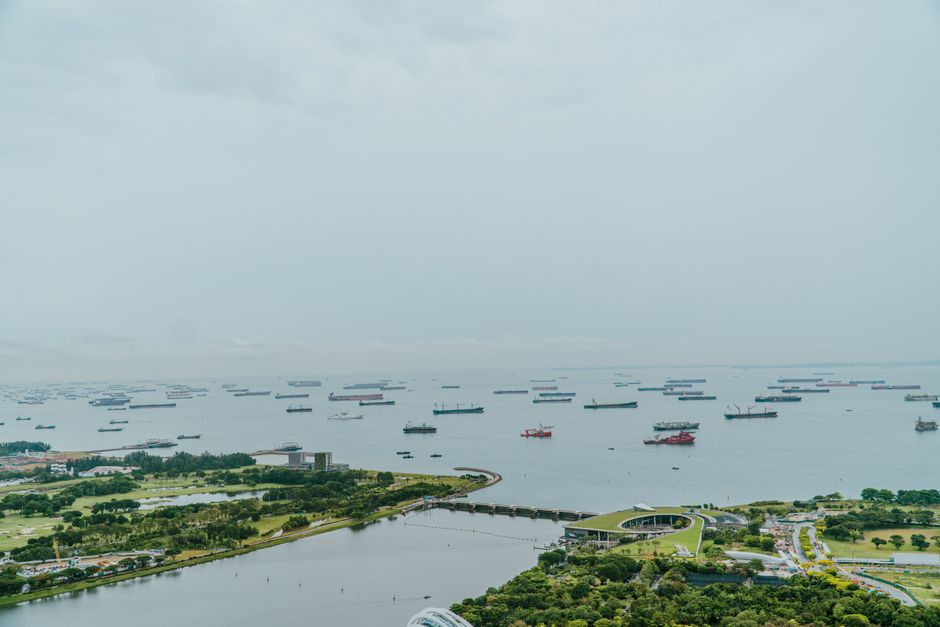
From cotton fields to your wardrobe, fashion travels thousands of kilometres through dozens of factories. Understanding this network explains why a shirt costs what it does, and why disruptions halfway across the world reach Australian retail shelves.
By The Daily World · 3 July 2026

The World
Australia holds a third of the world's uranium but mines less than it could. Understanding this market reveals why nuclear power's global expansion depends partly on Australian policy.
By The Daily World · 3 July 2026
The World
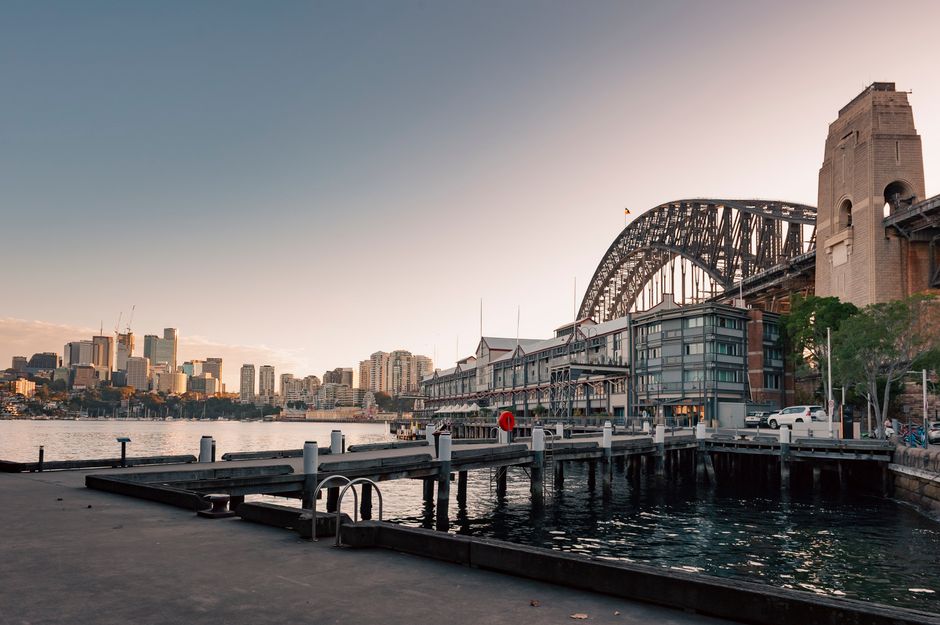
Australia produces almost no potash, yet its farms depend entirely on imports from distant salt deposits. Understanding this hidden supply chain reveals why fertiliser costs ripple through grocery prices nationwide.
By The Daily World · 2 July 2026
The World
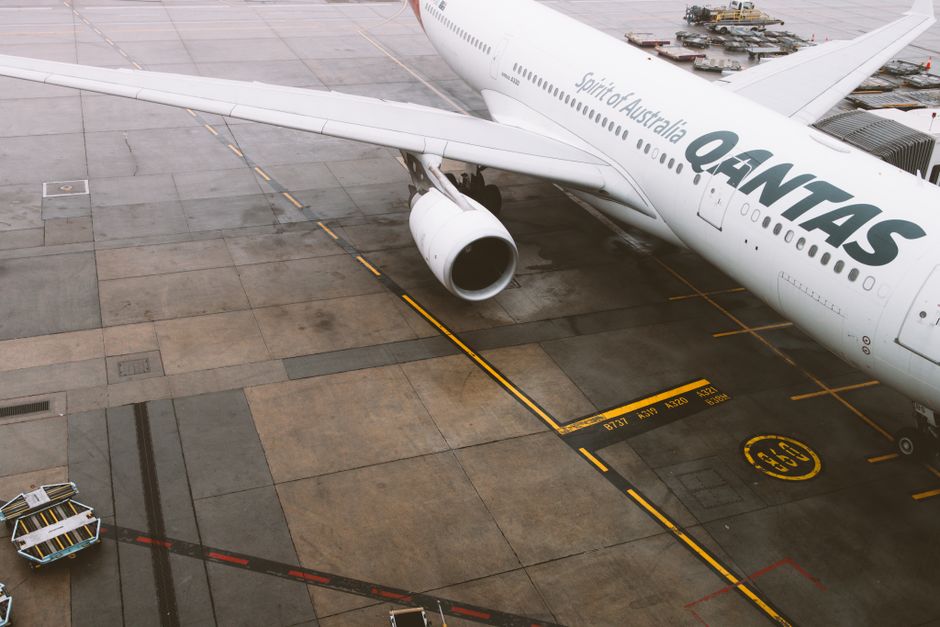
Two companies dominate worldwide commercial aircraft production. Australia builds parts but not planes, missing billions in advanced manufacturing opportunities.
By The Daily World · 2 July 2026
The World
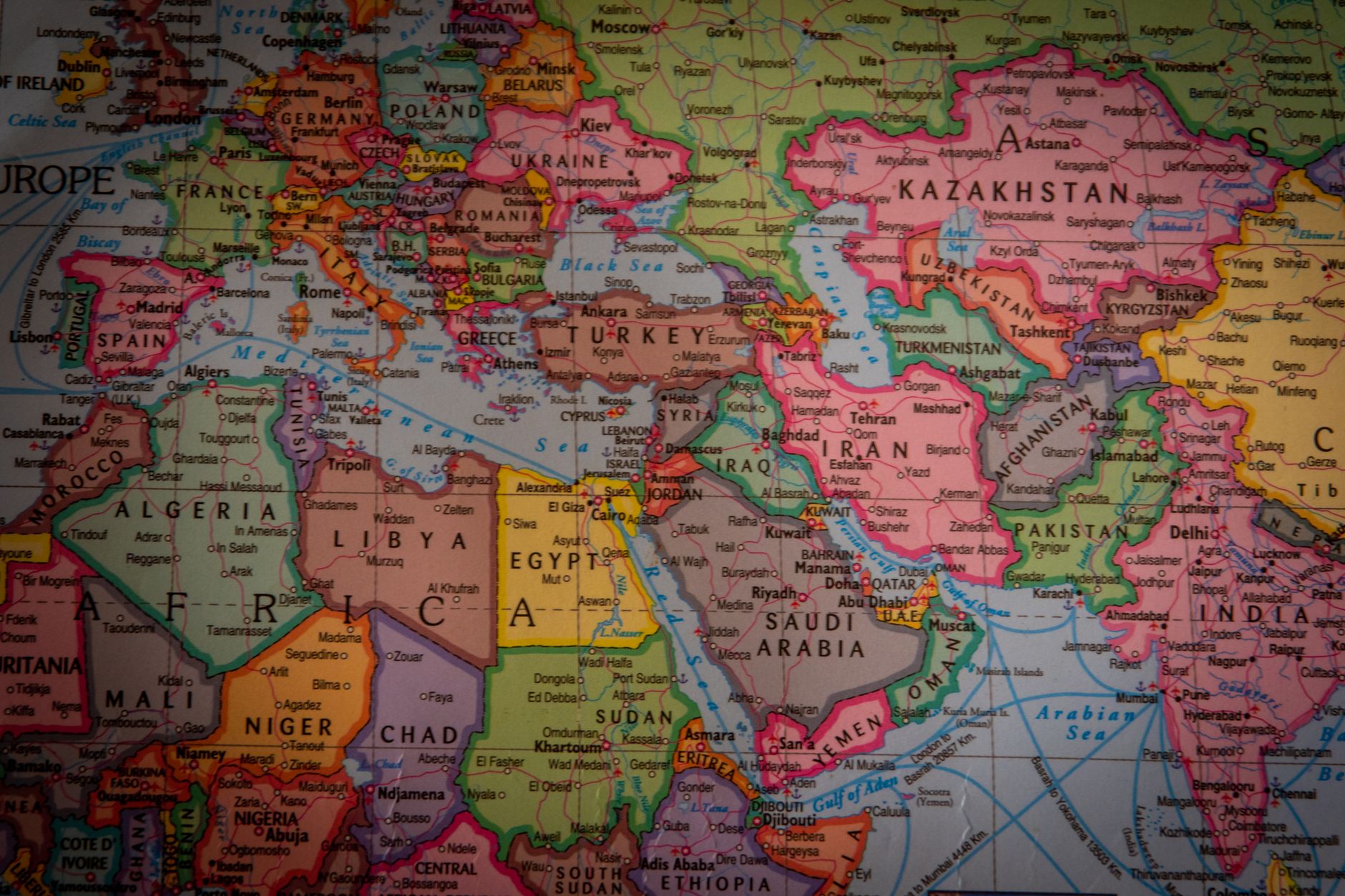
Salmon farming in distant countries shapes what Australians pay for fish. Understanding the industry reveals why supply shocks ripple across oceans to your dinner table.
By The Daily World · 2 July 2026